Connectivity at FL410 is either slow or six figures.
Cabin Wi-Fi on many business jets is slow. The certified fix, a fuselage-mounted Starlink Aviation terminal, means an STC, hangar downtime and a hardware bill of around $200,000 before the monthly plan even starts.
Certified install is a capital project
Starlink Aviation hardware is around $200,000 at 2026 pricing, before installation, certification and hangar time.
Paperwork and hangar time
A fuselage antenna needs a Supplemental Type Certificate and takes the aircraft out of service.
Bolted to one airframe
The investment stays with that aircraft. It cannot follow your crew to the next one, and it is lost when the aircraft is sold.
What each Starlink plan allows
Why the plan matters
Starlink's consumer Roam plan is capped at 87 kt and the General Aviation plans at 261 kt ($200/mo) and 391 kt ($1,000/mo), so on a jet they cut out at cruise. Jets need a Starlink Business Aviation plan: from $4,000/mo for 25 GB, $12,500/mo unlimited within one continent, $20,000/mo worldwide. These plans accept the Starlink Mini and have no published speed limit. They are the same plans a certified installation runs on, so the difference between the two routes is the install bill. You buy the plan directly from Starlink.
Starlink pricing and limits as published October 2026. Starlink changes them; check before you buy.
Mounted in minutes. Online in two.
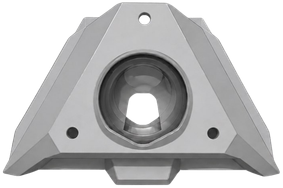
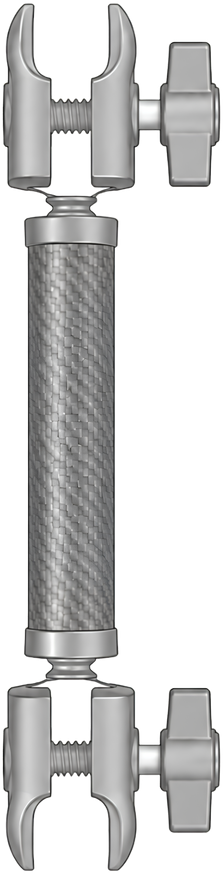
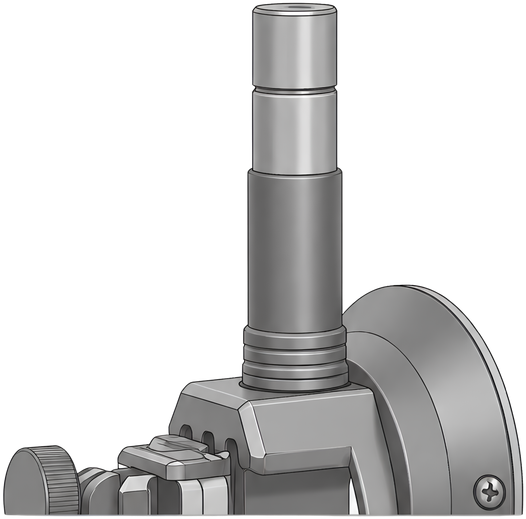
A bracket, a carbon-fibre arm and a pump suction cup hold a standard Starlink Mini against an unheated cockpit side window, with the base resting on the window ledge. One USB-C cable powers it from an existing power outlet. Nothing is drilled, screwed or wired into the airframe.
The same Starlink network. None of the modification.
Nothing is wired into the aircraft, there is no STC, and the aircraft never leaves service. Cabin Wi-Fi for the price of a cabin accessory.
No STC, no modification
Used as a portable electronic device, with the operator's permission. Nothing is fixed to the airframe, so there is no installation project and no hangar downtime.
Set up in minutes
Four steps from case to window. The crew fits it once established in cruise and stows it before descent.
Broadband for the whole cabin
Video calls, email and cloud work over Starlink's network. Speed depends on the plan, the window and the route.
Moves between aircraft
One kit moves between compatible aircraft, including types with no STC available yet and aircraft you are about to sell.
Built for the flight deck
A carbon-fibre arm and a pump suction cup that releases with two buttons, so the crew can clear the window in seconds and stow the kit before descent.
Flight-tested
On our Embraer Legacy 600 flights it stayed connected 98–100% of the time at cruise, and about 80% on a Hawker 800. Results vary with aircraft, window and route.
Portable by definition. That is the whole point.
Aviation rules draw the line at the aircraft's certified design, not at what is carried in the cabin. A Starlink Mini on a removable mount, powered from an existing outlet, is a portable electronic device (PED), the same category as a laptop or a phone. Nothing about the aircraft changes, so nothing needs an STC.
United States
14 CFR 91.21. PEDs may be used once the operator, or the pilot in command on a private flight, has determined that they will not interfere with the aircraft's navigation or communication systems. FAA Advisory Circular 91.21-1D describes how.
EU and UK
Regulation (EU) 965/2012. CAT.GEN.MPA.140 (commercial) and NCC.GEN.130 (private) place the same decision with the operator. The rules define a PED as any device "not included in the configuration of the certified aircraft", including devices running on aircraft power.
Radio spectrum
Starlink's own licences. The satellite link operates under SpaceX's authorisations (the FCC in the US, Ofcom in the UK). Skyledge does not provide or control the radio service.
What your operations team gets
The PED decision sits with the operator, so we give your flight department what it needs to make it: a device description, stowage and window guidance, and draft operations-manual wording for the operator to review. The kit is designed to be set up at cruise and stowed for taxi, take-off, approach and landing, as the rules expect of a large PED.
Straight answer on certification
Skyledge One is not an aircraft part and is not certified or approved by any aviation authority. It is used as a portable electronic device, so the operator decides, under its own procedures, whether it may be used on board. That is why it costs a fraction of an installed system.
One kit. Made for unheated cockpit side windows.
What decides whether it works is the glass: windshields are electrically heated and block the satellite signal, so the kit sits in a side window that is not. We confirm compatibility for your aircraft type before you buy.
Embraer Legacy 600/650, Phenom 300, Praetor 500/600
Unheated cockpit side windows. Legacy 600 flight-tested by us; Phenom and Praetor side windows reported working by owners. Business Aviation plan from $4,000/mo.
Phenom 100, Citation Mustang, M2, CJ1–CJ3, King Air, PC-12, TBM
Unheated side windows, so the physics is right, and these cruise speeds fit the $1,000/mo GA Global plan. We confirm on your aircraft with a 30-minute ground check and one flight.
Hawker 800 series, Challenger, Citation Sovereign/Latitude, Falcon, PC-24
The Hawker 800 connected about 80% of the time from its small DV window in our flights. On the others the cockpit side windows are heated, so a cabin-window position is needed and has not yet been tested.
Skyledge One vs. a certified installation
| Feature | Skyledge One | Certified Starlink Aviation |
|---|---|---|
| Aircraft modification | None | Antenna on the fuselage |
| Approval route | Operator's PED decision | STC required |
| Installation | Minutes | Hangar downtime |
| Power | Cabin outlet, 100 W USB-C | Aircraft electrical system |
| Up-front hardware | Skyledge One kit + a Starlink Mini | From $200,000* |
| Monthly Starlink plan | Jets: Business Aviation from $4,000 · turboprops: GA from $1,000 | Business Aviation from $4,000 |
| Aircraft out of service | Never | Days in the hangar |
| Eligible aircraft | Types with an unheated cockpit side window | Types with an STC only |
| Move between aircraft | Yes | No |
*Starlink Aviation hardware at 2026 pricing; installation and STC extra. Plan prices are Starlink's published US prices, October 2026. Skyledge One requires an unheated cockpit side window and a Starlink Business Aviation plan (jets) or General Aviation plan (turboprops and slower aircraft). Starlink Mini not included.
Everything arrives in one carry case.
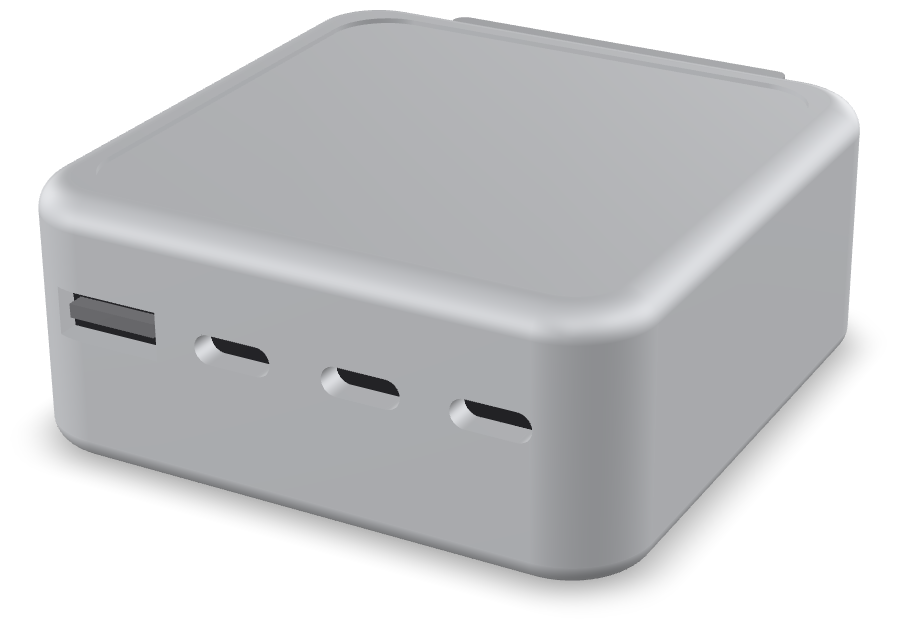
Mount, arm, cables and a 100 W GaN power adapter, packed in one carry case. The Starlink Mini is bought separately from Starlink.
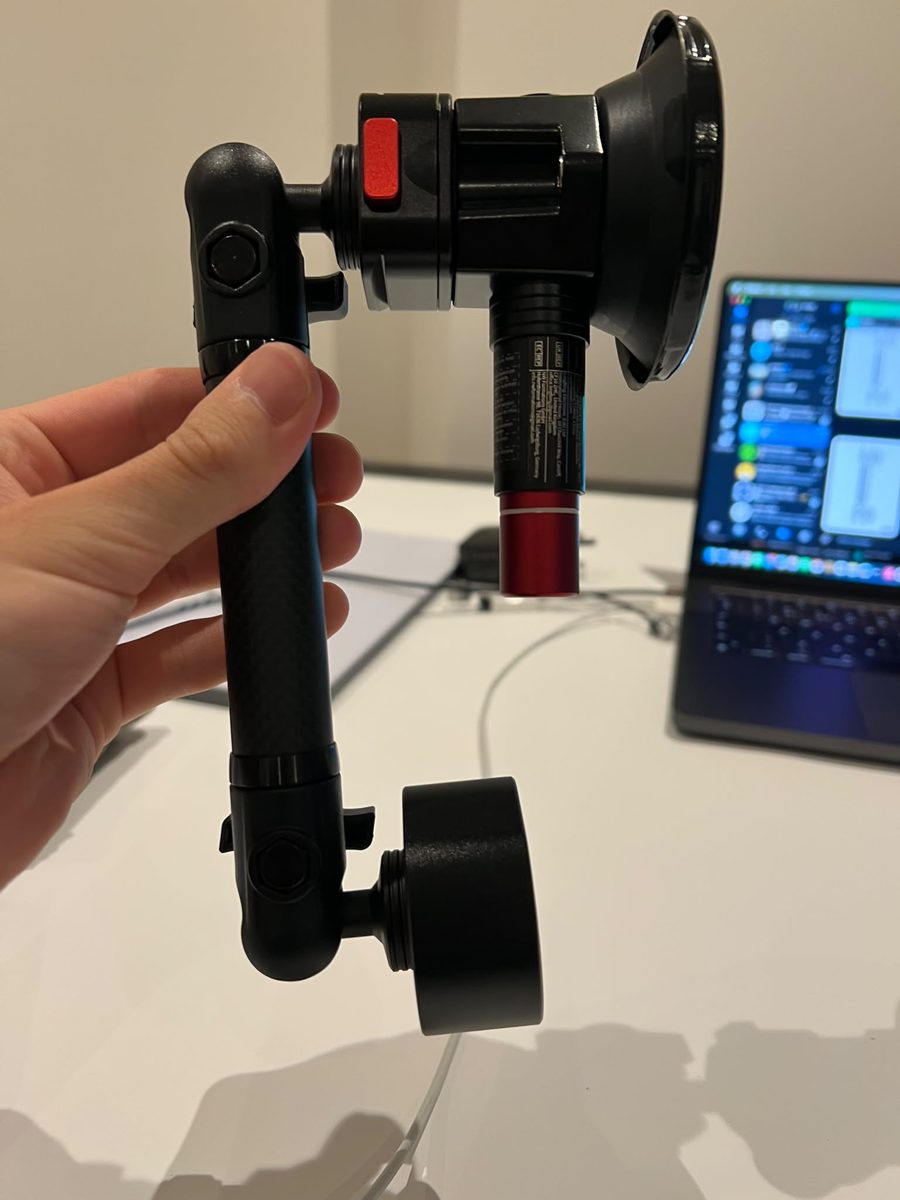 Arm + mount
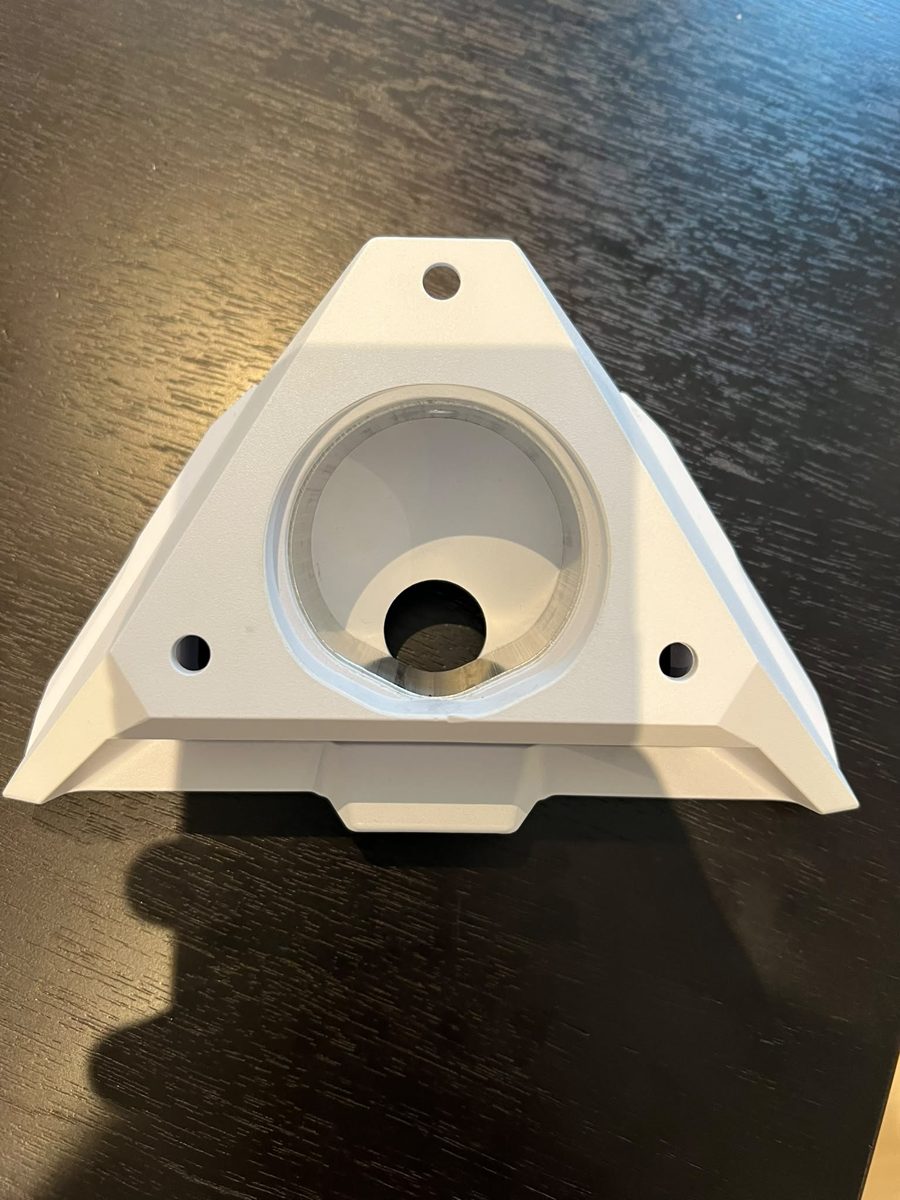 Bracket
What operators ask first.
Does anything attach to the aircraft?
No. The kit is the Starlink Mini, a bracket, a carbon arm and a removable suction cup. The cup is pumped onto the cockpit side window and released with two side buttons. Nothing is drilled, screwed or wired into the aircraft.
How is it powered?
From an aircraft power outlet through the 100 W charger in the case, the same way a laptop charges. In the router version the router runs off the same charger's 18 W port.
When is it used during a flight?
Only in cruise. The crew fits it once the aircraft is established at altitude and stows it before descent, like any other large portable electronic device. It is not used on the ground, during taxi or on take-off.
How fast can the aircraft fly?
It depends on the Starlink plan, not the kit. Starlink's Business Aviation plans, from $4,000 a month, list no speed limit and accept the Starlink Mini; our Legacy 600 flights run on one. The cheaper General Aviation plans cut out at 261 kt and 391 kt ground speed, so they suit turboprops and the slowest light jets, not jets at cruise.
Is the kit certified?
No. It is not certified or approved by any aviation authority. It is used as a portable electronic device, and under 14 CFR 91.21 in the US and CAT.GEN.MPA.140 / NCC.GEN.130 in the EU and UK the operator decides whether a PED may be used on board. We supply a device description and guidance to support that decision; the decision stays with the operator.
Does Starlink allow the Mini on an aircraft?
Yes, on an aviation plan. Starlink offers its General Aviation and Business Aviation plans for the Starlink Mini and requires it to be a carry-on device, not mounted on the airframe. Skyledge One is designed to be used that way. Using a Mini in flight on a standard Roam plan is against Starlink's terms, so you need an aviation plan, bought directly from Starlink.
Is Skyledge part of Starlink?
No. Skyledge is an independent business and is not affiliated with, endorsed by or sponsored by SpaceX or Starlink. You buy the Starlink Mini and your plan directly from Starlink, under your own account.
Which windows work?
An unheated cockpit side window, left or right depending on the route. Windshields never work: they are electrically heated and the heating film blocks the satellite signal. On some types the side windows are heated too; if the pane has a heat switch or circuit breaker, it will not work. We check this on your aircraft before you buy.
Does it block the pilot's view?
It must not block the view the crew needs. On aircraft with large side windows, such as the Legacy 600, it sits low in the window. On small-window types such as the Hawker it can obstruct the view, so it is fitted only at cruise with the crew's agreement and releases with two buttons.
Does it need a Starlink account?
Yes. You apply to Starlink directly for an aviation plan with ID, the aircraft tail number and type, and activate it in the Starlink app before the first flight.
Interested? Tell us about your aircraft.
We'll check window compatibility for your aircraft, point you to the Starlink plans that fit and quote a kit.
hello@skyledge.co.uk“Online at cruise.”